



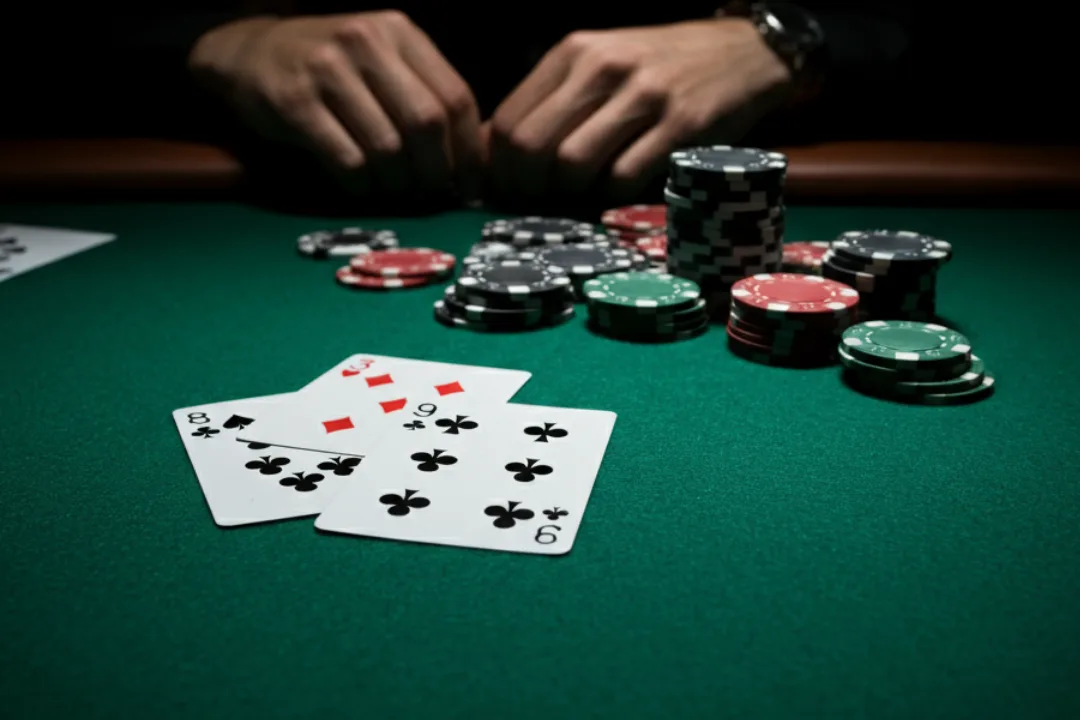
Bluffing in poker is as much about reading people as it is about playing cards. Every poker player dreams of pulling off a bold bluff, turning a weak hand into a winning pot with nothing but confidence and skill. But real bluffing isn’t just throwing chips around and hoping for the best. The best poker bluffing techniques involve a keen sense of your opponents, a good table image, and the guts to make your story believable—sometimes when your cards are far from the strongest.
The Psychology Behind a Successful Bluff
At the heart of every good bluff is the ability to get inside your opponent’s head. Poker is a mind game, and if you want to bluff effectively, you have to see the hand from their perspective. Your chips, your posture, even your breathing all add to the narrative you’re building. If your actions don’t match the story your bets are telling, experienced players will call your bluff in a heartbeat. That’s why the best poker bluffing techniques start with a little psychology—convince your opponent, and you just might get them to fold the winner.
Building Your Table Image and Understanding Position
Ever notice how some players seem to get away with bluffs all night, while others get snapped off instantly? A lot of that comes down to table image. If you’ve been playing steady and conservative, your rare bluffs will grab more respect. On the flip side, if you’re always splashing chips, opponents will call you down lighter. Position is your other secret weapon. Being last to act gives you a window into everyone else’s intentions, making it easier to pull off cunning moves at just the right time.
Types of Poker Bluffs You Need to Know
Not all bluffs are created equal. Understanding the difference can help you pick the right moment and method for maximum effect:
- Pure Bluffs: You have nothing but nerve, and you know it. There’s no backup plan—if they call, you’re beat. Use these sparingly and only when you’re sure your opponent is likely to fold.
- Semi-Bluffs: These are a smart player’s bread and butter. You bet with a drawing hand—maybe you’re one card from a flush or straight. If the other player folds, great. If not, you still have outs to win at showdown.
Seizing the Right Moment: Opportunistic Bluffs
When the table checks to you or a scare card lands, don’t be afraid to represent strength. Bluffing when everyone shows weakness is one of the simplest and smartest poker bluffing techniques you can use. Keep your eyes open for those golden opportunities and act decisively.
Bet Sizing and Timing: The Tools of the Trade
Your bluff is only as convincing as your bet sizing. Bet too little, and you don’t look threatening; overdo it, and you risk too much with too little chance. Ideally, your bets should fit the story you’re crafting—would someone with a monster hand really bet so small, or do they want to build the pot? Mixing up your timing helps, too. Sometimes a delayed bluff on the turn or river impresses more than a quick fire on the flop.
Learning to Read Opponents and Use Blockers
If you want to win with poker bluffing techniques, pay close attention to your rivals. Are they calling almost everything, or folding to aggression? Adjust your bluffing accordingly. Don’t waste chips trying to bluff “calling stations.” Look for those players who respect a show of strength.
Using Blockers to Help Your Bluffs
Blockers are an advanced tool that can add real nuance to your plays. Holding a crucial card—like the ace of hearts on a hearts-heavy board—means your opponent is less likely to have the nut flush. This lets you bluff with extra confidence, knowing the absolute best hand is less likely to lurk in their cards.
Bluffing Pitfalls: Mistakes to Avoid
It’s easy to get carried away, especially when a few bluffs work in your favor. Here are some common traps and how to dodge them:
- Targeting the Wrong Player: Save your bluffs for opponents who can actually fold!
- Inconsistent Stories: If your betting pattern jumps all over, your opponents will pick up on the signals.
- Betting the Wrong Amount: Find a balance—too small invites calls, too big looks suspicious or risks too much.
- Overdoing It: If you bluff too often, people will start calling you with anything.
Wrapping Up: Make Bluffing Work for You
Mastering the art of bluffing in poker takes focus, observation, and a willingness to learn from every hand. With experience, you’ll sharpen your instincts, spot great bluffing opportunities, and be able to shift gears against different types of players. For further insights into poker strategies and in-depth tips from the pros, you can check out Upswing Poker’s strategy articles. With practice, you’ll find yourself winning pots you never thought possible.—
Frequently Asked Questions
1. What is the secret to pulling off a good bluff?
It’s all about making your story believable through your bets and behavior. If your actions don’t fit the hand you’re representing, savvy opponents will see right through it.
2. Should I bluff often to keep people guessing?
Not necessarily. Bluffing less often but in smarter spots makes your moves more effective and keeps you unpredictable.
3. What’s a semi-bluff and why is it safer?
A semi-bluff is betting with a draw—so you have a backup plan if you get called. It’s safer since you still have ways to win at showdown.
4. When is bluffing a bad idea?
Bluffing rarely works against players who always call or big multi-way pots. Save those tricks for heads-up situations with thinking opponents.
5. Can beginners use poker bluffing techniques effectively?
Definitely, as long as they use them selectively and pay attention to who they’re up against. Observation and restraint make a beginner’s bluff surprisingly powerful.
You may also read: Master the Felt: Your Ultimate Guide to Free Poker Games
