



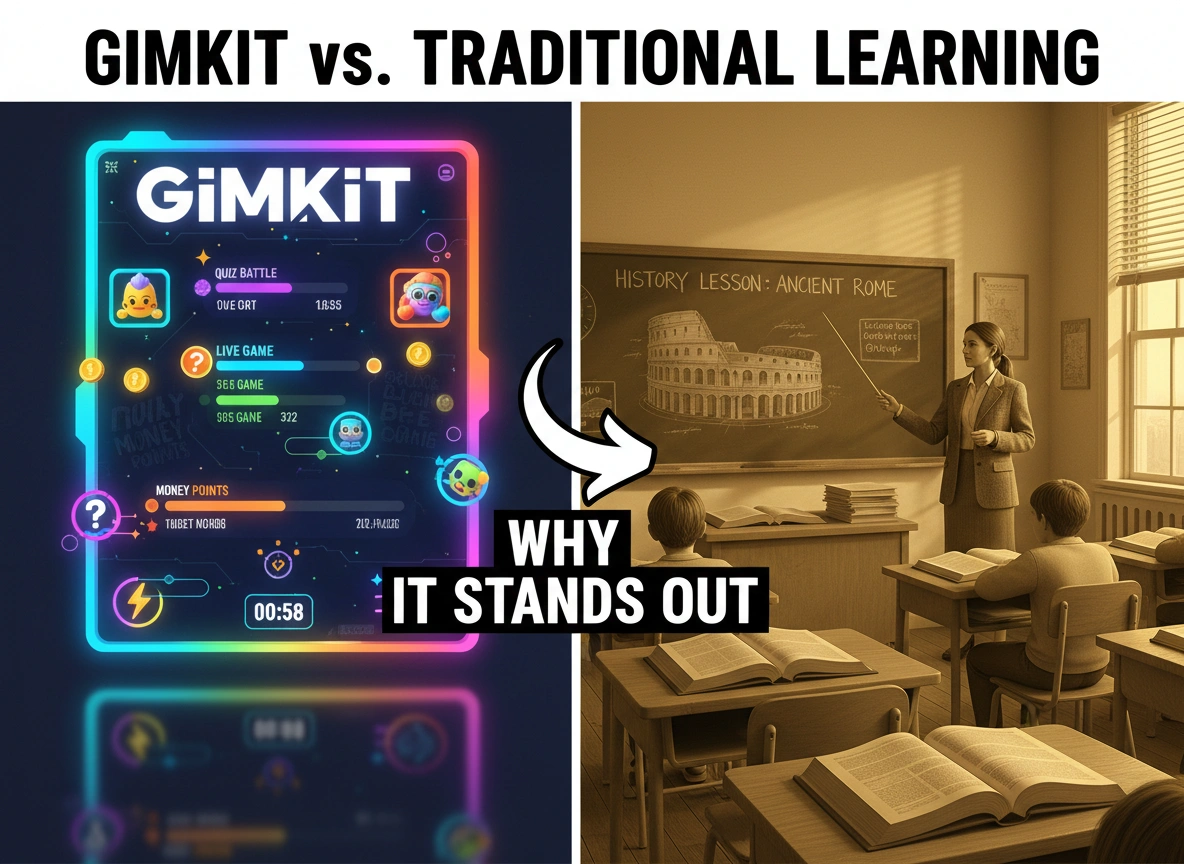
The bell rings, and students shuffle into the classroom. For decades, the next step often involved pulling out a textbook, a worksheet, or preparing for a standard lecture. While these methods have served education for generations, the modern classroom demands more dynamic, engaging, and effective approaches. This is where gamified learning platforms enter the scene, and one name that consistently generates buzz is Gimkit. It offers a fresh alternative to conventional tools, transforming review sessions and assessments into exciting, game-based experiences.
This article explores the comparison between Gimkit and traditional learning tools. We will delve into what sets Gimkit apart, from its unique game mechanics to its profound impact on student motivation and knowledge retention. We will examine how it addresses the limitations of older methods and empowers educators to create a more vibrant and effective learning environment. Ultimately, you will see how gamification is not just a trend but a powerful pedagogical strategy for today’s learners.
What Are Traditional Learning Tools?
Before highlighting what makes Gimkit different, it’s essential to define the tools it’s often compared against. Traditional learning tools are the mainstays of education that have been used for decades. They are typically characterized by a more passive and standardized approach to instruction and assessment.
Common examples include:
- Textbooks: Comprehensive but often static sources of information.
- Worksheets and Handouts: Used for practice and reinforcement, but can become repetitive and lack immediate feedback.
- Flashcards: A classic method for memorization, effective for rote learning but limited in promoting deeper understanding.
- Lectures and Presentations: A primary mode of information delivery, but can lead to passive listening rather than active engagement.
- Standardized Quizzes: Paper-based or simple digital forms that test knowledge but rarely inspire excitement or collaborative learning.
While these tools have their place and have been foundational to education, they often fall short in fostering student engagement, providing real-time feedback, and adapting to individual learning paces. They can make learning feel like a chore rather than an exciting journey of discovery.
Introducing Gimkit: A New Paradigm in Learning
Gimkit was famously created by a high school student who wanted to make a more engaging alternative to other quiz-based platforms he used in class. This origin story is central to its design philosophy: it’s built from a student’s perspective with the goal of making learning genuinely fun.
At its core, Gimkit is a live quiz game platform where students answer questions on their own devices. However, it’s much more than a simple Q&A tool. It integrates game mechanics, strategy, and a virtual economy that transforms the learning process. Students earn in-game currency for correct answers, which they can then use to buy power-ups and upgrades. This simple addition introduces a layer of strategy that keeps students invested far beyond just getting the right answer.
The Power of Gamification in Education
Gimkit’s success is rooted in the effective use of gamification—the application of game-design elements in non-game contexts. This isn’t about just playing games in the classroom; it’s about leveraging the psychological drivers that make games so compelling.
Gamification in education, as exemplified by Gimkit, taps into:
- Intrinsic Motivation: Students play because they want to, driven by curiosity, challenge, and the satisfaction of progress.
- Immediate Feedback: Players know instantly if their answer is correct, allowing for rapid self-correction and reinforcement of knowledge.
- A Sense of Autonomy: Gimkit allows students to make choices with their earnings, giving them control over their game strategy.
- Healthy Competition: Leaderboards and team-based modes can foster a competitive spirit that drives students to do their best.
Unlike a worksheet that offers a single, linear path to completion, Gimkit provides a dynamic environment where knowledge is the key to advancing in a fun, competitive context.
Key Differentiators: How Gimkit Stands Out
When placed side-by-side with traditional tools, Gimkit’s unique features create a stark contrast. It modernizes the learning experience by directly addressing the shortcomings of older methods.
1. Engagement Through Strategic Gameplay
The most significant difference is how Gimkit cultivates engagement. A traditional quiz asks a question, and a student answers. The interaction is transactional. In Gimkit, answering a question is just the beginning.
- The In-Game Economy: Earning virtual currency adds a layer of excitement. Students aren’t just earning points; they’re earning resources.
- Strategic Upgrades: Students can spend their currency on upgrades like earning more money per question, getting a streak bonus, or buying insurance for incorrect answers. This forces them to think critically not only about the academic content but also about resource management and long-term strategy.
- Power-ups and Hindrances: Players can purchase power-ups that impact their own game or the games of others (in certain modes). This creates a highly interactive and unpredictable environment that keeps everyone on their toes. A student at the top of the leaderboard could be “iced” by another player, temporarily freezing their screen and leveling the playing field.
This strategic depth transforms a simple review session into an immersive experience. Students are not just passively recalling information; they are actively participating in a system where their knowledge directly fuels their success.
2. Variety and Replayability
Worksheets and flashcards can quickly become monotonous. Once a student has completed a worksheet, there is little incentive to do it again. Gimkit combats this with a wide array of game modes that keep the content fresh and exciting.
Educators can use the same set of questions (a “Kit”) across numerous formats:
- Classic Mode: The original free-for-all where students compete to earn the most money.
- Team Mode: Promotes collaboration as students pool their earnings to reach a collective goal.
- The Floor is Lava: A high-stakes mode where teams must answer questions correctly to build their tower and stay above the rising lava.
- Humans vs. Zombies: One student starts as a “zombie,” and they can “infect” others by tagging them. Humans must answer questions to earn power-ups to defend themselves.
This variety means an educator can review the same chapter vocabulary multiple times throughout a unit without students feeling bored. Each game mode requires different strategies and encourages different types of interaction, ensuring high replayability.
3. Immediate, Actionable Feedback
A core weakness of tools like paper worksheets is the feedback loop. A student might complete an entire page of math problems incorrectly and not realize it until the teacher grades it hours or days later. By then, the misconception may have solidified.
Gimkit provides instant feedback. When a student answers a question, they immediately see if they were correct. If they were wrong, they are shown the correct answer. This allows them to self-correct in the moment, reinforcing the proper information before it gets lost. For educators, the post-game report provides a detailed breakdown of student and class performance, highlighting which questions were most challenging. This data is invaluable for identifying knowledge gaps and planning future instruction.
4. Fostering a Positive Learning Culture
Traditional assessment tools can often create anxiety. The pressure of a formal quiz can cause students to “freeze up,” even if they know the material. Gimkit’s game-based format helps lower these stakes and reduce test anxiety. The focus shifts from fear of failure to the fun of the game.
Because students can earn currency even after an incorrect answer (though less), a single mistake doesn’t feel like a major setback. The ability to catch up and the unpredictable nature of the power-ups mean that every student feels like they have a chance to succeed until the very end. This builds resilience and encourages a growth mindset, where students see challenges as opportunities to learn and improve. The cheers, groans, and laughter in a classroom during a Gimkit game are a testament to its ability to make learning a joyful, shared experience.
The Verdict: A Complement, Not a Replacement
Comparing Gimkit to traditional learning tools is not about declaring one obsolete. Textbooks still provide depth, and direct instruction is still vital. However, Gimkit stands out as a powerful supplement that addresses the modern student’s need for engagement, interactivity, and immediate feedback.
It transforms what is often the most tedious part of learning—review and memorization—into the most anticipated part of the class. By integrating strategic gameplay with academic content, Gimkit proves that learning doesn’t have to be a passive activity. It can be an exciting, competitive, and deeply engaging process that yields better retention and a more positive attitude toward education. For educators looking to energize their classrooms and drive better learning outcomes, Gimkit offers a standout solution that truly understands the modern learner.
