



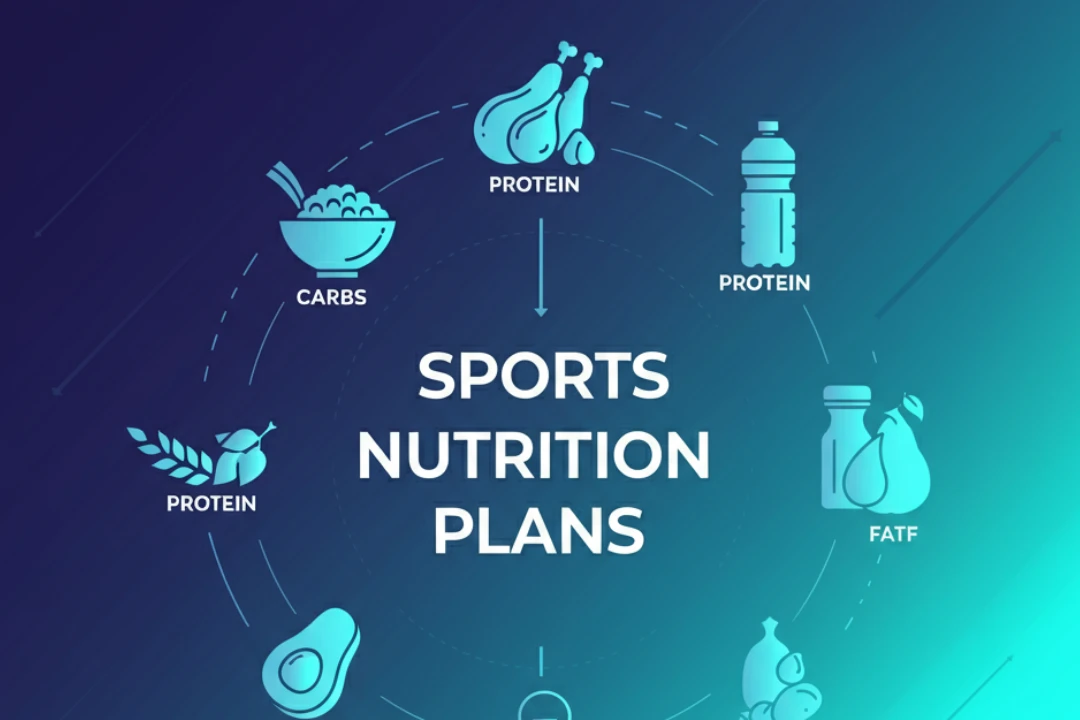
Unlocking your full potential starts with more than pushing hard in the gym or out on the field — it all begins with what you put on your plate. The right sports nutrition plan isn’t about counting every calorie or cutting out all your favorite foods; it’s about understanding how the right nutrients support energy, strength, and faster recovery. Whether you’re aiming for a new personal best, improved stamina, or more muscle, a targeted nutrition strategy can make all the difference.
Defining Your Performance Goals
Every athlete’s journey is different, and that means no “one-size-fits-all” meal plan. Are you trying to build muscle, lose fat, or boost your endurance? Pinpointing your top goals is the first step toward a sports nutrition plan tailored to your unique needs.
Aligning Nutrition and Ambition
Think about your training: are you logging miles for a marathon or lifting heavy in the weight room? Each sport and fitness journey requires a different approach to eating. Your objectives will help you fine-tune your daily meals and snacks so your body gets exactly what it needs.
Mastering Macronutrient Balance
Carbs, protein, and fats might sound basic, but they’re the fuel behind every great workout. Don’t fall for fads—getting a healthy mix means you’ll have energy, build muscle, and stay healthy over the long term.
Carbohydrates for Energy
When you need an extra burst during a game or tough session, carbohydrates are your body’s go-to fuel. They refill your muscles’ energy stores, and without enough of them, you’ll risk feeling sluggish or worn out before you’ve finished.
Protein for Repair and Growth
If you want to see progress, protein should be a staple in your daily meals. That’s because it builds and repairs muscle tissue, helping you bounce back faster and get stronger after every workout.
Fats for Health and Endurance
Don’t overlook healthy fats—they support hormone balance, joint health, and provide steady energy for longer activities. Think nuts, seeds, olive oil, and fatty fish for a well-rounded diet.
Timing Your Nutrition for Peak Results
It’s not just about what you eat, but also when you eat it. Strategically planning your meals around training helps boost energy, sharpen focus, and speed up recovery. Every sports nutrition plan should pay attention to timing.
- Pre-Workout: Eat a carb-focused meal or snack with a bit of protein about 1–3 hours before exercising—this fills up your energy tank and preps your muscles.
- During Long Workouts: Going for more than 90 minutes? Bring along easy-to-digest carbs like sports drinks or chews to keep you going strong.
- Post-Workout: After exercise, combine protein and carbs within an hour. This helps your muscles rebuild and makes sure your body recovers well.
Hydration and Electrolytes Matter
Water isn’t just a basic need—it’s a key performance booster. Even slight dehydration can zap your power and slow you down. Make sure you drink enough, especially on training days, and remember that for intense or lengthy workouts, replenishing electrolytes like sodium and potassium is just as important as drinking water.
Being Smart with Supplements
Supplements can be helpful, but they’re not miracle workers. Keep your main focus on whole foods and use supplements like protein powder, creatine, or caffeine only when they genuinely fit your needs or plug a dietary gap.
How to Choose Safe, Effective Supplements
Look for products that are tested for safety and actually backed by research. If you’re not sure what’s right for you, check with a sports dietitian or nutritionist before adding anything new to your routine.
Sample Daily Meal Plan for Active People
Want a practical example? Here’s how a day might look if you’ve got a big afternoon training session:
- Breakfast: Oatmeal mixed with berries, chopped nuts, and a scoop of protein powder.
- Lunch: Grilled chicken breast, quinoa, and a big mixed salad with olive oil.
- Pre-Workout Snack: Banana with a handful of almonds.
- Post-Workout Meal: Baked salmon, roasted sweet potato, and cooked broccoli.
- Evening Snack: Greek yogurt drizzled with honey.
Making Your Sports Nutrition Plan Work for You
There’s no perfect plan set in stone. Your body and training will change, so your eating habits should too. Stay flexible, tweak your meals as you go, and keep checking in with your progress—that’s the secret to staying fueled, healthy, and ready for whatever challenge comes next.
Want to dive deeper into nutrition for athletes? Check out these guidelines from the Academy of Nutrition and Dietetics for evidence-based insights and practical tips.—
Frequently Asked Questions
1. How much protein should I eat when I train regularly?
Most active people benefit from eating 1.2 to 2.0 grams of protein per kilogram of body weight daily. Your needs may vary depending on how hard and how often you train.
2. Should I cut carbs to lose fat and get leaner?
Cutting all carbs isn’t necessary—in fact, whole grains, fruits, and veggies help keep your energy high during workouts. Instead, focus on when you eat your carbs and choose quality sources.
3. Are sports supplements really necessary?
You can make great progress with whole foods alone, but some supplements can make life easier or fill a specific need—just use them wisely and don’t expect magic. Always research any supplement before starting it.
4. How much water is enough for athletes?
A good goal is 2 to 3 liters per day, plus more when you’re sweating hard. Watch your thirst level and urine color; clear to pale yellow usually means you’re well hydrated.
5. Will the occasional “treat” ruin my progress?
An occasional treat or “cheat meal” is totally fine and can help you stay on track long-term. Just keep it balanced with your overall healthy eating habits.
You may also read: The Enduring Charm of Classic Fruit Slots
